
Episode 1: Fort Laramie Treaty of 1868
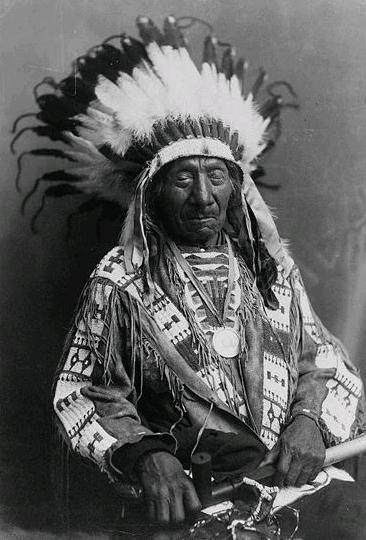
Red Clouds War of 1866-1868
From 1866 to 1868, Oglala Lakota leader Red Cloud (Maȟpíya Lúta) led a powerful resistance alongside Lakota, Northern Cheyenne, and Arapaho warriors against U.S. military expansion into their homelands.
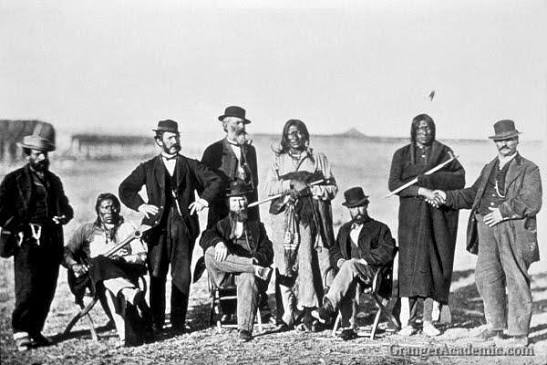
Signing of Fort Laramie Treaty of 1868
The Fort Laramie Treaty recognized the Great Sioux Reservation, including the sacred Black Hills, and protected additional hunting territories.
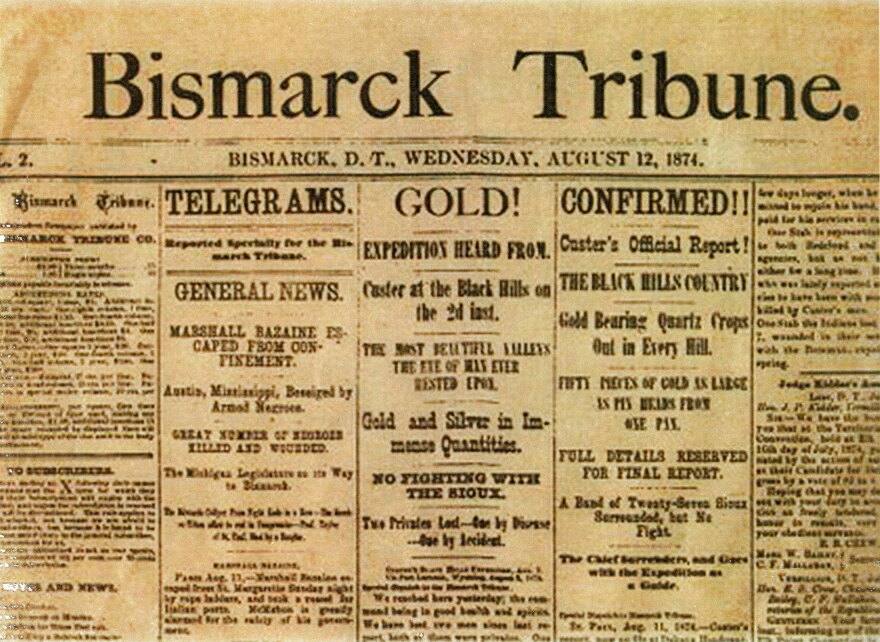
1874: Gold Found in black hills
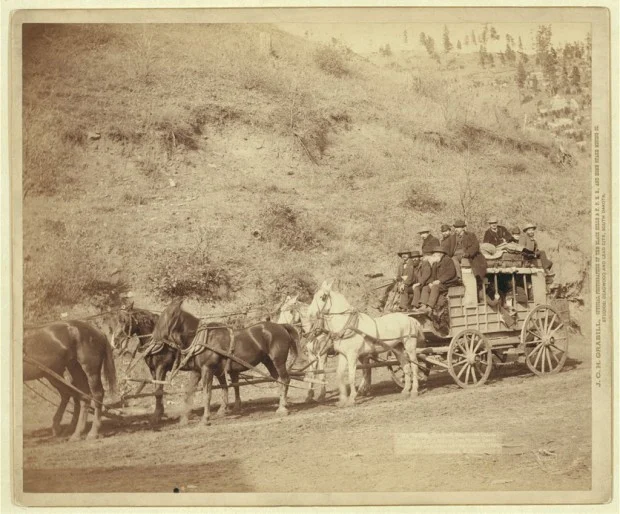
An expedition led by Lieutenant Colonel George Armstrong Custer enters the Black Hills and reports gold discoveries. Prospectors increasingly enter treaty-protected territory.
1875-1876: Federal officials attempt to negotiate surrender of the Black Hills.
The Sioux Nation does not provide the level of consent required by Article XII.
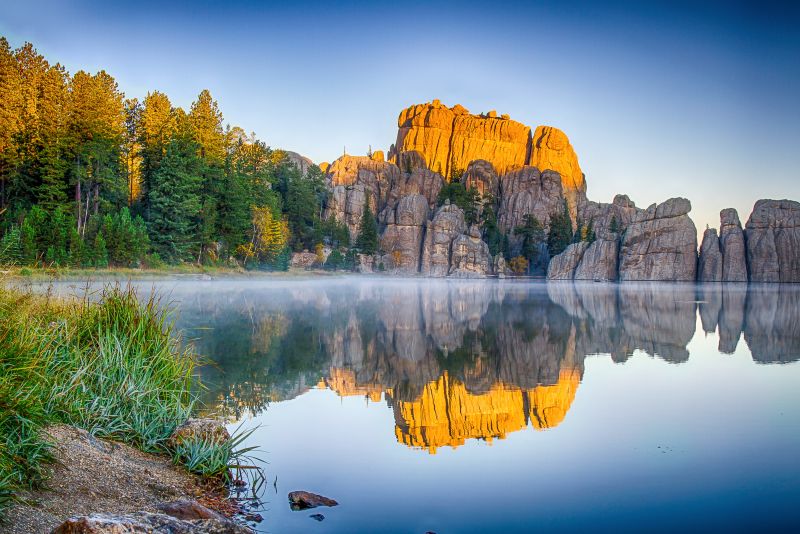
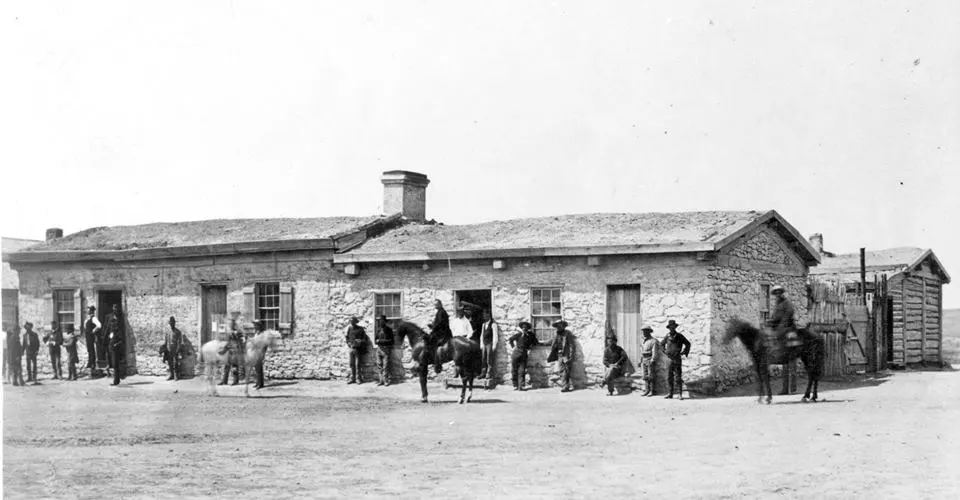
1876 — THE ILLEGAL 10 PERCENT AGREEMENT
The Fort Laramie Treaty required the consent of three-fourths (75%) of adult Sioux men before reservation lands could be ceded. In 1876, U.S. commissioners secured signatures from approximately 10%, far below the treaty's legal requirement. Despite failing to obtain the required consent, Congress used the agreement to justify taking the sacred Black Hills in 1877.
1876: Congress seized the Black Hills
Congress enacts legislation implementing the land cession despite the failure to meet the treaty’s consent requirement.
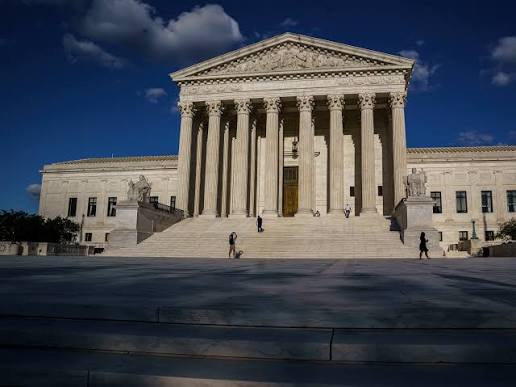
1980: United States v. Sioux Nation before Supreme Court
The 1980 ruling was a major legal milestone. The Supreme Court affirmed that the United States had taken treaty-protected land and owed just compensation.
What led to the Fort Laramie Treaty of 1868?
From 1866 to 1868, Oglala Lakota leader Red Cloud (Maȟpíya Lúta) led a powerful resistance alongside Lakota, Northern Cheyenne, and Arapaho warriors against U.S. military expansion into their homelands.
The United States had established military forts along the Bozeman Trail, cutting through valuable Indigenous hunting grounds and attempting to disrupt their way of life. Red Cloud and his allies refused to surrender their territory.
For two years, these Indigenous warriors attacked military positions, disrupted supply routes, and made the Bozeman Trail increasingly difficult for the U.S. Army to defend. In December 1866, Indigenous warriors defeated an entire U.S. Army detachment of 81 men in what became known as the Fetterman Fight. By 1868, the United States agreed to abandon its military forts along the Bozeman Trail and negotiate peace.
Red Cloud had accomplished something extraordinary: He had forced the United States military to withdraw from contested territory. But Red Cloud refused to sign the treaty until the soldiers actually left. Only after the forts were abandoned did he sign in November 1868.
What was the Fort Laramie Treaty and key agreements?
The Fort Laramie Treaty recognized the Great Sioux Reservation, including the sacred Black Hills, and protected additional hunting territories.
The United States agreed to protect the reservation from unauthorized settlement and provide various goods, services, and other commitments. For the Sioux Nation, the agreement recognized important territorial and sovereign rights.
Article II — Protection of reservation land: The United States recognized the Great Sioux Reservation for the absolute and undisturbed use and occupation of the Indigenous people designated in the treaty. Unauthorized settlement and passage were restricted.
Article XII — Consent before land cessions: The treaty required the signatures of at least three-fourths of the adult male Sioux population occupying or interested in the reservation before a treaty ceding any portion of it could be valid.
KEY REQUIREMENT: 75% consent threshold for a treaty ceding reservation land. This provision was intended to prevent a small group from surrendering lands belonging to the broader nation.
And under Article VI of the United States Constitution, treaties are part of the supreme law of the land. To break a treaty is to break their own laws.
How did the treaty unravel?
1868 — Treaty signed: The Great Sioux Reservation is recognized, including the Black Hills.
1874 — Gold found in Black Hills: An expedition led by Lieutenant Colonel George Armstrong Custer enters the Black Hills and reports gold discoveries. Prospectors increasingly enter treaty-protected territory.
1875–1876 — U.S. seeks the Black Hills: Federal officials attempt to negotiate surrender of the Black Hills. The Sioux Nation does not provide the level of consent required by Article XII.
1876 — Minority agreement: Federal commissioners obtain signatures from approximately 10% of adult Sioux men, far below the three-fourths requirement.
1877 — Congress takes the land: Congress enacts legislation implementing the land cession despite the failure to meet the treaty’s consent requirement.
1980 — Supreme Court ruling: In United States v. Sioux Nation of Indians, the Court upholds an award of just compensation for the taking under the Fifth Amendment.
The Supreme Court Ruling: A legal victory, but no justice
The 1980 ruling was a major legal milestone. The Supreme Court affirmed that the United States had taken treaty-protected land and owed just compensation.
The original compensation award included approximately $17.1 million for the land’s value, plus interest calculated under the applicable legal framework. The Court did not order the return of the Black Hills.
The Sioux Nation has continued to resist accepting money as a final resolution of the Black Hills claim, emphasizing the land’s spiritual, cultural, and historical significance.
The decision was important because the Court treated the Sioux Nation’s treaty-protected land rights as legally enforceable. It upheld an award of compensation after concluding that Congress’s 1877 action amounted to a taking of the Black Hills for which the United States owed just compensation under the Fifth Amendment. The ruling did not, however, order the land returned.
The deeper question is one of sovereignty. The Sioux Nation was not merely a collection of individual landowners: it was, and remains, a sovereign Indigenous nation that entered into a treaty with the United States. Article XII required broad Sioux consent before reservation land could be ceded by treaty. Yet the federal legal framework allowed Congress to act unilaterally and subjected the resulting taking to a monetary remedy rather than restoration of the homeland.
The government used eminent domain to take property for public use, subject to the requirement of just compensation. In this case, the Supreme Court applied the Fifth Amendment’s takings principles to treaty-protected tribal property. It did not explicitly hold that the Sioux Nation lacked sovereignty; rather, its decision reflected the extensive powers that federal law recognizes in Congress over tribal affairs and lands. That distinction matters: legal recognition of a treaty and full respect for the other treaty party’s consent and self-determination are not necessarily the same thing.
The ruling therefore presents both a victory and an unresolved contradiction. It affirmed that the United States could not take the Black Hills without a constitutional obligation to compensate the Sioux Nation, but it left the land in federal hands despite the Nation’s continuing refusal to treat money as a substitute for He Sapa. The question remains: if one treaty party can override a land guarantee and determine that payment is the remedy, how fully is the other nation’s sovereignty being respected?
The Supreme Court recognized the taking. But recognition is not restoration.
More than 150 years after the treaty, the question remains:
If treaties are the supreme law of the land, shouldn't honoring them mean more than paying for the promises that were broken?
This is not just Indigenous history. This is American history, constitutional history, and an ongoing question of justice.